
Best Home Remedies for Removing Oil Stains Easily
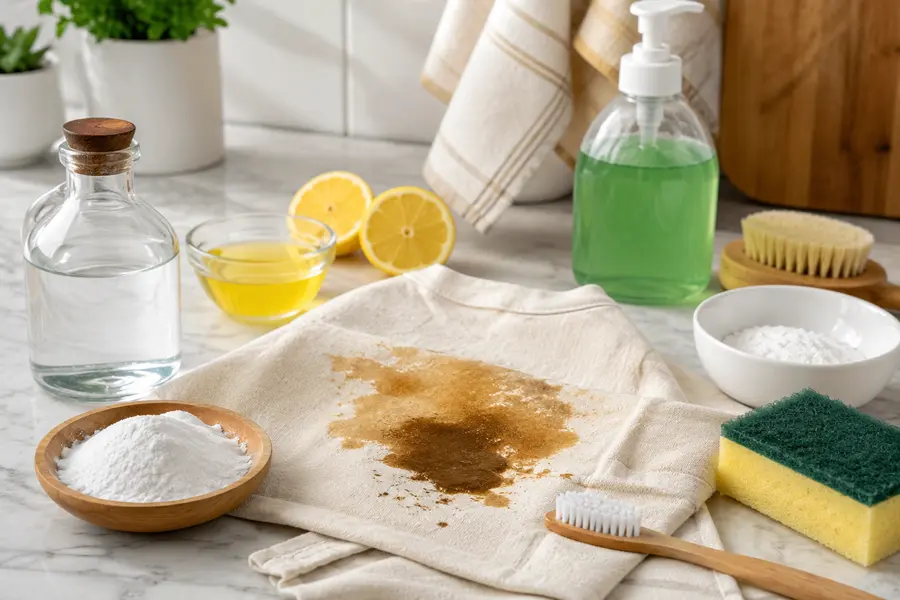
Oil Stains: Best Home Remedies for Easy Removal
Do you have your favorite clothes spoiled by oil stains when you are out for an important meeting or party? Unexpected oil stains are dirty and have a strong impact on clothes, and can quickly cover clothes, making them look dirty and turning clean clothes ugly in only a few minutes. Many people are frustrated because regular washing techniques don’t work when greasy stains soak right down into the fibres of clothing. How to get oil stains out of clothes is a useful skill to have since these persistent marks tend to make an appearance now and then while cooking, eating, and travelling.
1. Understanding Oil Stain Problems
Oil stains are different from regular dirt because the oily particles adhere strongly to fabric and soak in very rapidly. Stains processed in their initial stage tend to be easier to take out; old grease stains are hard to clean because once the oil dries, it becomes fixed in the clothing fibers. Grease interacting with fabric yields different results in various fibers, in particular cotton, silk, denim, and synthetic, which happen to be our top choices in clothing. Knowing the right steps & methods for treating cooking oil stains, you will be able to remove them from even delicate fabric or gorgeous colored garments without worrying that you might ruin them.
2. Quick Action Saves Clothes
Prompt response to spotting grease marks makes a huge difference in the results of cleaning because when fresh oil remains closer to the surface of the fabric, to begin with. If you wait too long before treating a cold oil stain, then the longer the oil will be absorbing into that area of fabric and cause the treated area to be much more difficult to clean. Most people grab a towel when oil hits clothes. Yet pressing gently beats scrubbing every time. A quick dab stops greasy spots from spreading sideways across fibers. Rubbing drags the mess outward, wider each second. Paper sheets soak up slicks without smearing. This quiet move shields delicate weaves. Stains vanish more easily if caught early. Expensive shirts stay cleaner longer this way.
3. Baking Soda Absorbs Grease
Baking soda is amazing because it naturally soaks up greasy material, and yet it is mild enough for the majority of delicate fabric types that you can find today. Start by covering fresh grease marks with plenty of baking soda. Wait about half an hour after that time, and let the powder pull oil from the material. Brush away what remains once it has done its job. Grease gets trapped in the crystals instead of staying stuck in cloth threads. The fabric comes out clear without strong cleaners messing up soft clothes during one wash. Foods that people say baking soda removes cooking oil stains from, and that kind of makes sense, mainly because everyone has this inexpensive ingredient in their kitchen or bathroom.
4. Dish Soap Removes Oils
Dishwashing liquid is highly effective in cutting grease because producers To be exact, formulate these kinds of detergents for removing thick cooking oils from the kitchen utensils and cookware. Soap lands right on stained spots first. Rubbing the fabric one part against another spreads it deep into oily patches. Ten minutes pass at least, maybe twenty with the liquid sitting there doing its job. Heat helps. It softens gunk so water can pull it free without struggle. Wash begins only after that wait, using warm flow to finish what started long before machines got involved. A well-known method tackles greasy marks on fabric using what you already have at home and even helps maintain cleanliness similar to professional bond cleaning services.. Fancy sprays or complex routines? Not needed here. Store-bought fixes often promise more than they deliver anyway.
5. Cornstarch Helps Delicate Fabrics
Cornstarch is an excellent choice for delicate fabrics as it absorbs oil in a very gentle manner without any harm or discoloring or making the texture rough or spongy, and it does this all the time. On a greasy stain, apply cornstarch generously and let it sit overnight, because the longer you let it sit, the better the results you get when cleaning. Dust off the powder the next day very well before washing the articles as usual, but with a mild detergent that will have the children’s delicate clothing fibers and soft fabric properly protected. Many people de-stain cooking oil from their clothes naturally with cornstarch because it’s cheap, easy, and very effective against grease.
6. Refresh your Dirty Laundry with White Vinegar
Start by combining water with white vinegar in matching amounts. This mix tackles oily marks left behind when meals drip onto shirts or pants. Give soiled spots a good soak before heading to the washing machine. Smells clinging to the cloth from kitchen messes? They vanish just as fast. The sharp tang works deep, pulling grime up and out. Detergent performs stronger once vinegar joins the fight against stubborn blemishes. Yet it brightens cloth too, stripping away discoloration minus expensive store-bought formulas or extras you rarely require. Skip the lab-made bottles; this old-fashioned trick focuses on shedding grease using what sits in your kitchen, quietly protecting both garments and household space.
7. Lemon Juice Brightens Fabric
Naturally present in lemon juice, acids have the ability to break down oily matter as well as mildly brighten stained garments without the shocking suddenness of bleach chemicals. If you apply lemon juice straight onto a stain, it is not a good idea to leave your clothes out in the sun to dry for a long time, as the heat will boost the lemon, and most probably the stain will become permanent rather than getting removed. You should also avoid using excessive lemon juice on dark clothes, as the powerful acid can lighten the color to some extent after a few treatments.
8. Baby Powder Works Quickly
Talcum provides rapid stain absorption as small particles separate greasy substances away from fabric surfaces that then become frozen before permanent stains are formed on clothing materials. Dust the powder liberally over fresh stains immediately after an incident because sooner treatment will lead to better results of cleaning and will prevent nasty grease solidifications. After that , brush off the powder gently and wash as usual in a mild detergent that will help protect the quality of your fabric and the general look of your clothes. This simple trick shows you the quickest way to get oil stains out of clothes with inexpensive household items that are most likely already you have stored inside your bathroom.
9. An old toothbrush gives you better cleaning results
Start with dampening the bristles of a used toothbrush using soapy water, just enough foam clings to make a difference. As it meets the cloth, tiny beads of moisture begin spreading slowly through the fibers. Little circles work best, moving the brush tip around like clock hands, but softer than pressure ever needs to be. Grease loosens once agitation meets moisture, where fibers trap grime. Each pass lifts some residue without tearing threads apart. Finish before the area dries completely, leaving behind only dampness instead of marks. The soft bristles enable better stain removal as cleaning agents are distributed uniformly in affected areas, lifting the grease from the fabric surfaces, also gradually in the back. Lots of people find the best way to take out cooking oil stains is with a gentle brushing of the area, combined with natural cleaning ingredients that are already present in the usual home.
10. Warm Water Helps Grease
As heat makes oily particles looser, warm water helps the soap or powder to remove oily deposits stain more effectively during the washing process. And never pour boiling water directly; the high heat may make the grease stain penetrate more into the fabric. Truth is, certain materials hold onto marks forever, and synthetics are often worse than others. Check tags before tossing anything into the machine because cold slows down wear like shrinkage, color bleed, or roughness from repeated cycles. Knowing how hot or cold to go means oil spots can vanish without wrecking that piece you wear all the time, whether it’s mixed in with regular loads or not.
11. Prevent Future Oil Stains
One simple way to avoid grease stains is to be careful and only wear clothes that are clean when you are cooking, eating, and cleaning after using oily products or ingredients in the kitchen regularly. When you are cooking dinner, it is a good idea to put on an apron – while frying or preparing delicious family meals indoors, oil splashes can land on shirts, dresses, and pants. Keep stain removal products handy, since you have a better chance of getting rid of fresh stains before they cause a permanent problem. Similar hygiene habits also help you keep your bathroom hygienic during seasonal change and maintain a cleaner home environment. Household-run families also wipe out their cooking oil stains with much success, as their quick preparation and meticulous care diminish the hardship of keeping the clothes clean while maintaining their quality for a little longer.
Simple Remedies Save Clothing
Oil stains don’t have to spoil your favorite garments! Home remedies using natural ingredients are not only cheap and safe but can also be very effective against stubborn stains that a person gets every day. Common kitchen items such as baking soda, vinegar, cornstarch, and dish detergent can help a family clean up an oil spill at home without having to resort to buying the expensive commercial solutions for one cleanup after another. Proper observation of the cleaning processes is also Beneficial to success, as timely treatment is able to stop the grease from infiltrating the interior of the fine cloth fibers and the expensive garments endlessly. I would say that everyone can do so; they can know about how to remove oil stains from clothes confidently, which is to trust these time-tested solutions and apply them every time an unexpected, greasy spill strikes.
Related Posts
10 Daily Bathroom Cleaning Tips for a Hectic Lifestyle
Smart Bathroom Cleaning Tips for a Hectic Lifestyle You do not get time to clean…
The Best 5 Natural Household Cleaners
Top Natural Household Cleaners to Keep Your Home Fresh If you want a healthier, natural…
How Crystal Clear Window Cleaning Removes Hard-Water Stains
Windows matter a lot in defining a home’s look and vibe. Windows that are clean…