
How Crystal Clear Window Cleaning Removes Hard-Water Stains
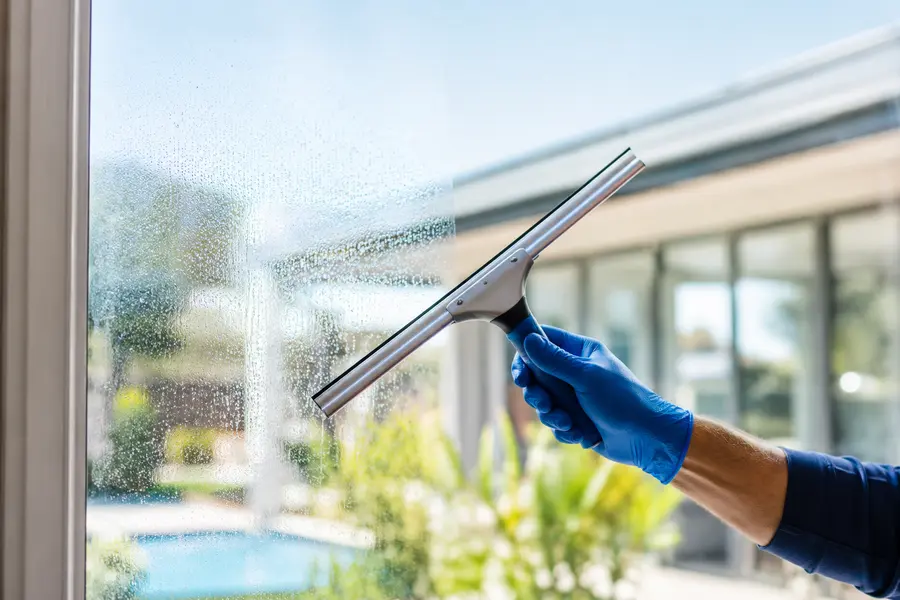
Windows matter a lot in defining a home’s look and vibe. Windows that are clean let in more sunlight, offer better views, and make the interior look brighter. Even so, there are certainly plenty of homes that see routine cleanings that still end up with foggy spots and stains that just won’t come off. Hard-water deposits are a root cause of this problem. Stains from hard water form slowly, so many homeowners don’t even know they have them until the window is completely obscured by dirt on the outside. Such stains are very resistant to everyday cleaning and can also have the effect of making the glass cloudy, or of removing its customary shine. Different parts of Australia, with different weather, salt air, irrigation, and mineral-rich water, among others, can cause this. Fortunately, hard water stains can usually be removed, in particular if they haven’t been ignored.
A great way to avoid mineral buildup from mineral deposits is to keep your windows clean on a regular basis with a thorough cleaning. In addition to keeping your windows clear, clean, and last longer, regular and thorough cleaning can help make your home look better, but also make it easier to maintain.
Why Hard-Water Stains Appear?
Hard water spots are basically water marks that are left on the glass after the water has dried up because the water has a lot of minerals, mainly calcium and magnesium, in it. When we dry off, there are some of those minerals left floating in the air. That light haze or spot on your glass initially seems harmless, and deposits that form on glass are very light when you first start seeing them.
But after a while, the buildup of deposits by exposure leaves layers, and they can be so visible. Open windows are mainly in danger since rain, sprinkler water, dirt, and air pollutants all make direct contact. People living near the sea will get salt deposits from the ocean spray in the air, and people from the land will have dust in the air, which, when mixed with moisture. Slowly, these deposits will not only reduce the glass transparency but will also make cleaning less efficient.
Small Stains Become Bigger
Homeowners put off window maintenance as the early indicators of buildup usually look insignificant. A few water marks that appear at the start can turn into hard residue that cannot be removed by normal wiping. The mineral deposits bind to the surface and gradually collect more dirt. This results in a cycle where windows appear to get dirty soon after they are cleaned. Regular crystal clear window cleaning stops this process before it becomes too much to handle. Regular window cleaning tends to be an easier task than trying to repair badly discoloured glass.
The table below shows how hard-water buildup typically develops.
| Stage | Appearance |
| Early stage | Light spotting |
| Developing stage | Cloudy patches |
| Moderate buildup | Visible residue |
| Heavy buildup | Reduced clarity |
| Maintained windows | Cleaner finish |
Why Ordinary Cleaning Struggles
Conventional window cleaning techniques would only clean where the dirt can be seen. Glass sprays and fast wiping may enhance your appearance momentarily but could leave mineral deposits untouched. When it dries on the window, the rings return, so homeowners simply continue with the same practices that yield barely any results. Occasionally, strong rubbing results in a streaked or blotchy surface. To get a streak free clean window, make sure you are removing the dirt/mineral residue from the window and not just polishing it off! Most frequent cleaning time will yield more significant improvements than infrequent cleaning time will provide.
Proper Cleaning Restores Clarity
Applying the right cleaning method should greatly reduce the chance of windows with hard water stains. The trick is to find a method that will remove the mineral deposits on the glass without damaging the glass. Routine cleaning typically works better than getting rid of a bunch of buildup all at once. For homeowners looking to maintain long-term clarity, professional glass cleaning services can help support consistent upkeep and cleaner-looking surfaces. Windows that are subject to regular maintenance stay brighter because there is less residue to hold on to more dirt. This is why routine crystal clear window cleaning can often get easier with time rather than more demanding.
Protect Windows From Long-Term Wear
Many people consider hard-water staining only as an issue of appearance, but the fact is it could also impact your maintenance routine if you don’t handle it properly. When deposits stay and become more obvious over time, it is only natural that people react by either intensifying their cleaning efforts or resorting to stronger chemical products.
But if you go on and keep doing that kind of cleaning, not only does it get harder over time, but it also gives you results that are less satisfying. In fact, through little and frequent cleaning, you can drastically cut down the amount of time you spend on multiple heavy cleanings and still manage to have that decorative finish look. If you keep your windows spotless and clean, it will be a win-win situation: your windows will look good, and it will be less of a hassle to take care of them in the long run.
The table below outlines useful maintenance habits.
| Cleaning Habit | Benefit |
| Routine maintenance | Prevents buildup |
| Surface drying | Reduces spotting |
| Gentle cleaning | Protects glass |
| Seasonal checks | Supports clarity |
| Consistent schedules | Easier upkeep |
Weather Influences Window Results
The environment in which windows are situated greatly influences their condition. The main cleaning issues of Australian homes vary with the area. For example, properties near the sea may have to clean off salt deposits often, whereas those in dustier inland areas might have to contend with more dust. Besides that, the patterns of rainfall and even watering the garden outside can determine the speed with which dirt shows up on windows. In addition, cleaning windows when the temperature is down is good because then the windows do not dry quickly and the streaks do not stand out. It is wise to change your cleaning method per the circumstances of your area to get the best results.
Build Better Cleaning Habits

Usually the biggest reason affecting how clean the windows are is the consistency rather than the intensity of the task. By inspecting the glass frequently, the deposits of minerals can be eliminated before they are visible. Also, wiping down the frames and nearby areas decreases the dirt being laid on the glass again. In fact, quite a few people in the community discover that brief upkeep times fit better into their lives than thorough cleaning done occasionally. Tiny routines done all the time generally bring greater and longer-lasting effects than major refurbishments done once in a while.
Conclusion
Hard water stain deposits of minerals are also one of the primary contributors to your windows appearing dull and dirty when they are made of glass or vinyl. When water dries or evaporates off the surface of your window, it indicates that a mineral deposit has formed, giving rise to the stain itself. Several common household cleaners can be used to attempt to remove these hard water stains; however, it is necessary to use a stronger cleaner to effectively remove them. Cleaning windows thoroughly and regularly would help a lot in eliminating deposits that would eventually become difficult, enhance the transparency of the glass, and also facilitate window maintenance over time.
Homeowners can also benefit from learning practical stain removal techniques, such as best home remedies for removing oil stains easily, to keep different surfaces around the home looking their best. With actual spotless window cleaning methods, Australian homeowners can keep their windows brighter and have less cleaning in the future. Besides being a matter of window appearance, clean windows also contribute to maintaining the quality and home presentation.
Related Posts
10 Daily Bathroom Cleaning Tips for a Hectic Lifestyle
Smart Bathroom Cleaning Tips for a Hectic Lifestyle You do not get time to clean…

Cleaning Tips for Physical and Mental Decluttering
Best Cleaning Tips for a Healthier Home and Peaceful Mind Do you think you have…

What Are The 7 Basic Steps To Clean Any Space?
How to Clean Any Space in 7 Easy Steps Wish you could clean up your…