
A Practical Guide to Cleaning Kitchen Sinks and Drainpipes
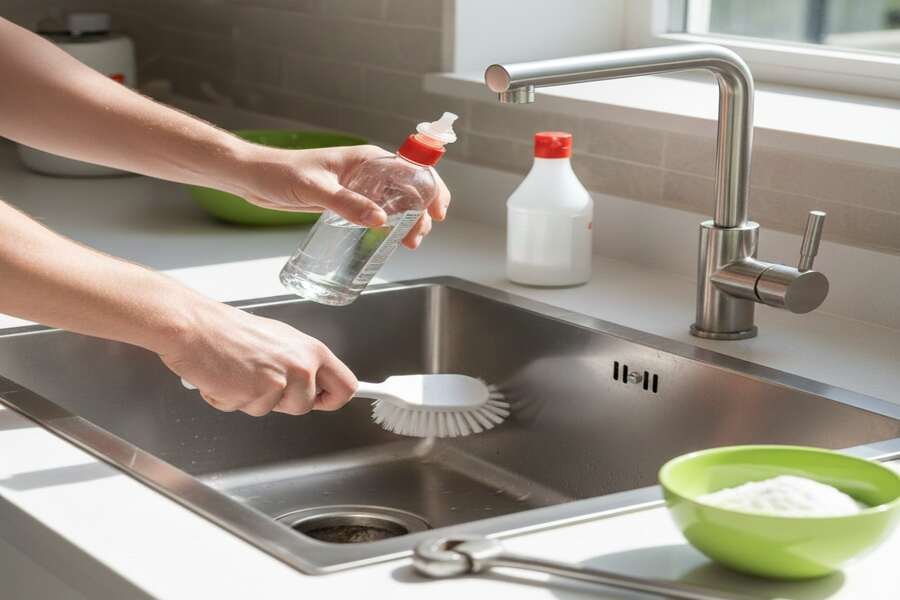
Have you ever asked yourself why your sink in the kitchen is stinking even after cleaning it regularly? This is the problem of lots of people. An untidy sink and a blocked drain may cause bacteria and odors to accumulate, and even simple plumbing problems. It is easy to clean up your sink and drainpipes once you get the steps of doing right. The frequent cleaning of your kitchen is going to keep it clean and fresh. In this blog, we will discuss some tips and tricks to clean your sinks and drainpipe. At the end, you will know how to spend less time and effort and keep your kitchen tidy and safe.
1. Wash the Sink Basin
First, with the clearing of dishes and garbage. Use a sponge or brush with warm water and use a soft dish detergent. Wipe all the basin sides to cleanse the grease and food particles. In case of hard stains, pour baking soda and scrub circularly. During tasks similar to bond cleaning, Wipe with warm water and check the surface on whether there are spots. Frequent washings will help to avoid bacterial growth and to make the sink shiny. For example, in one family, there were constant smells and flat surfaces. Following a expert cleaning process once a week, the sink appeared clean, and the odor had vanished.
2. Clear the Drain
Obstructed drains create smells and slow the drainage. Begin with the removal of obvious debris. Add baking soda and vinegar into the drain, followed by the fizzing of the mixture within 10-15 minutes. Rinse with boiling water to cleanse the residues and small clogs. In case the blockage cannot be cleared easily, plunger. Always keep the drainpipes clean to maintain an easy flow of water and also to have clean sinks that are not odorous.
This was a regular routine of cleaning the house that helped one household save money on repairing its plumbing. Drain cleaning will ensure that you do not accumulate and that your kitchen is clean and fresh without unpleasant odors.
3. Sanitize the Sink
Wash and disinfect the sink to kill bacteria- spray disinfectant or use a bleach solution that has been diluted. Allow to rest for several minutes and run under water. Cleaning is concerned with corners and edges where bacteria lurk. Sanitization would be necessary in case you deal with raw meat or vegetables. Housekeeping and disinfecting are the ways to keep your sink safe to preparing food.
Example: one family said that regular tidying was unable to clear certain odors in the family, but sanitizing did. Washing is complemented by regular sanitization that ensures a clean and hygienic kitchen to use every day.
4. Wipe Down Surfaces Used
The build-up of water facilitates mildew and smell. Wipe off the sink and all surrounding countertop after use. Notable drying is also a vital component of any cleaning scheme. The reduction of bacterial growth and water spots is achieved by keeping surfaces dry. Long-term issues can be prevented even by a simple several minutes of housecare a day, as recommended by bonds cleaning service.
Example: One example would be a kitchen that was left dry after use, lasting longer and would even need less vigorous housekeeping in the future. Also, the addition of drying to your tidying process is going to boost the general kitchen cleanliness and leave sinks and counters clean and uninfected.
Conclusion
To maintain and clean up your sink and drainage pipes, improve your hygiene, and eliminate bad odour. It keeps your family safe from bacteria, keeps the surfaces clean, and provides the cooking environment. Scrub and wipe the faucet, then clear the drain and sanitize and dry. Preventive maintenance with safe professional cleaning agents, and you will have a clean and organized kitchen quite easily. These are workday practices that not only will save you time, but also will cut down the amount of plumbing problems, as well as ensure that your space is clean every single day, and for extra support you can always reach our team.
Related Posts
How to Remove Deeply Embedded Dirt from Heavily Soiled Carpets?
Embedded Dirt: Remove Deep Dirt from Carpets Carpets add a sense of warmth and comfort…
Master Baseboard Cleaning with These 6 Easy Methods
Have you glanced at your baseboards, and they appear to be rougher and more dusty…

How Germs Spread and What You Can Do to Prevent Them?
How Germs Spread and Simple Ways to Stop Them Have you ever wondered how many…